
EFTd
What is an ETF?
An ETF, or exchange-traded fund, is an investment fund. This means that they can be bought and sold in the same way that shares. ETFs offer investors the opportunity to invest in several asset classes, such as equities, bonds or commodities, in a single investment.
How do ETFs work?
ETF the ruler: Any ETF- has a manager who chooses which fund to invest in. It may track a specific index, for example S&P 500 indexor a basket of assets based on an investment strategy.
Components: ETF issues shares that investors can buy and sell on the stock exchange. The price of shares fluctuates throughout the day according to supply and demand.
In this article you will find answers to the questions:
What is an ETF?
What are the ETF-de subcategories?
How to ETF-to make money?
What is ETFthe advantages and disadvantages of trading with -?
What is ETF-Risks associated with?
How to ETF-trade with?
Articles from
What are the sub-categories of ETFs?
ETF(exchange-traded funds) are diverse and are classified according to different criteria. Here are some of the most common ETF-de subspecies:
By asset class:
Equity ETFs
Invest mainly in equities. They may track broad market indices, such as the S&P 500, or focus on a specific sector, such as technology or healthcare stocks.
Real estate ETFs
Invest in real estate, either directly in real estate or in real estate shares.
Bond ETFs
Invest mainly in bonds. They may track indices of government or corporate bonds or focus on specific bond maturities.
ETFs for raw materials
Investing in raw materials such as oil, gold or cereals. They allow investors to benefit from fluctuations in commodity prices.
Mixed asset ETFs
Invest in shares and bonds together. They offer a balanced approach, dividing assets between them in certain proportions.
By management:
Index-based ETFs
Passively managed funds that track a specific market index. They aim to achieve the same return as the index they track.
Actively managed ETFs
Actively managed funds, where the portfolio is selected by the management company. They aim to outperform the market average return. Actively managed EFTs are typically more expensive than index-based EFTs in terms of costs.
Other sub-species:
By geographical area
EFTs for emerging or developed markets.
Strategy:
EFTs focused on dividend yields or sustainable investment.
How to make money with ETFs?
Earning dividends
- Some ETFs pay dividends, which are a share of the fund's profits distributed to unit-holders.
- The size of dividends depends on the fund's performance and dividend policy.
- Dividends can be reinvested to buy more ETF shares and accelerate the growth of your money.
- Choose dividend-paying ETFs if your aim is to generate regular income.
Active trading:
- Some investors trade ETFs on a short-term basis to profit from price fluctuations.
- Active trading is risky and requires experience and knowledge of the market.
- Weigh the risks carefully before you start active trading.
Capital growth
- ETFs can grow in value over time, leading to capital appreciation.
- ETFs should be held for a longer period to generate capital gains.
- You could opt for equity-oriented ETFs if your goal is long-term capital growth.
Strategic investment:
- Use ETFs to implement your investment strategy.
- For example, you can invest in value-oriented ETFs to benefit from undervalued stocks.
- Choose ETFs that match your strategy.
Earning from ETFs is important:
- Understand ETF-risks and costs.
- Diversify your portfolio by investing in different asset classes ETF-desse.
- Reinvest your dividends and capital gains to accelerate the growth of your money.
- Monitor the performance of your investments and make changes where necessary.
Before investing, it is always advisable to consult a financial adviser for personalised advice.
In addition to the above:
- Think about reinvestment: Reinvest your dividends and capital gains to accelerate the growth of your money.
- Use the automatic investing feature: This feature helps you to regularly invest a fixed amount of money in ETFs, regardless of market prices.
- Monitor your investments: Monitor the performance of your investments and make changes if necessary.
Advantages and disadvantages of ETFs
Benefits
Cons
Diversification
An easy way to manage your portfolio for diversification multiple assets with a single investment
Low costs
ETFs usually have lower management fees than actively managed investment funds.
Liquidity
ETFs are exchange traded, so they are easy to buy and sell.
Transparency
The ETFs' pooling of assets is public information.
Lack of control
Investors have no control over which individual assets an ETF invests in.
Tracking fees
Some ETFs may include asset index tracking fees.
Volatility
The prices of ETFs can fluctuate in line with the market prices of the assets invested in.
ETF-may be suitable for you if:
- You want to diversify your portfolio.
- You want a low-cost investment opportunity.
- You like the convenience of trading on the stock exchange.
ETF-are not suitable for you if:
- You want to control your investments at the level of individual shares.
- You are looking for a high-risk, high-yield investment opportunity.
Risks of ETFs: it's important to be aware
Like all other asset classes, ETFs also have certain risks. It is important to understand these risks in order to make informed investment decisions. Here we have highlighted some:
Market risk
ETFs may fall in value in line with the market prices of the assets invested in. This can lead to losses.
Interest rate
Changes in interest rates can affect the value of fixed-income securities such as bonds. This could lead to a fall in the value of ETFs investing in this type of securities.
Credit risk
The risk of default by the issuer, especially in the case of high-risk bonds. This could lead to a fall in the value of ETFs investing in this type of securities.
Currency risk
Fluctuations in foreign exchange rates can affect the ability of investors in foreign currency markets to ETF-the value of.
Tracking risk
Index-based ETFs may not always track the performance of the index they track. This may be due to tracking fees or other factors.
Liquidity risk
Some ETFs have low trading volumes, which can make it difficult to buy or sell them at market prices.
Lack of control
Investors have no control over which individual assets an ETF invests in.
Costs
ETF-There are management fees and other costs associated with these, which can reduce your returns.
Trading ETFs
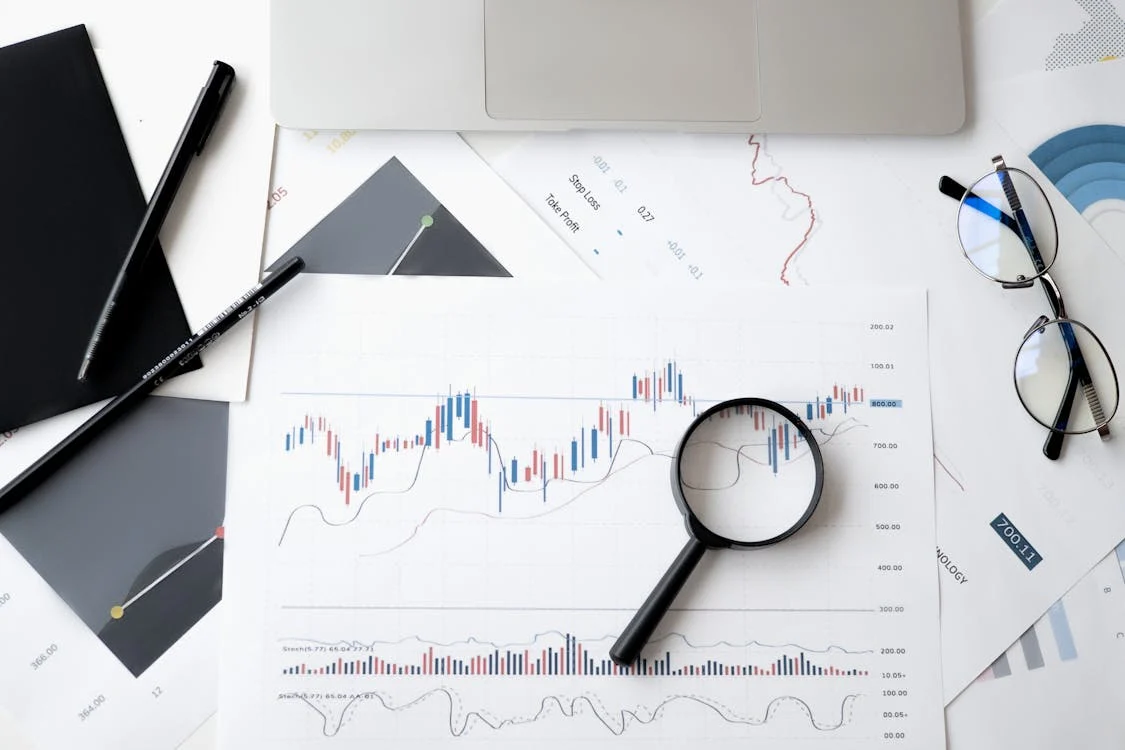
Trading ETFs is similar to trading in shares. You can buy and sell them through a stockbroker. The trading process involves:
- Open a brokerage account. Choose a broker that offers ETF trading.
- Fund your account. Enter the money you want to invest in your account.
- Find the ETF you want to invest in. Research and choose an ETF that suits your investment objectives and risk tolerance.
- Place an order. Select the type of purchase or sales order and enter the purchase price, quantity and other conditions of the order.
- Monitor your investments. Monitor the value and performance of your ETFs.
When trading, buying and selling ETFs, it is important to consider the following factors:
- Transaction costs: brokers can. ETF-charge a fee for trading with.
- Liquidity: for some ETF-have low trading volumes, which can make it difficult to buy or sell them at market prices.
- Market risk: ETF-The values of the assets may fall in line with the market prices of the invested assets.
- Your investment objectives and risk tolerance: make sure that you. ETF-are suitable for your investment profile.
Before investing, it is always advisable to consult a financial adviser for personalised advice.
 English (UK)
  Eesti
Eesti