
Semiconductors (semiconductor) and their shares. What semiconductors are, the 5 biggest players, investing in them and the risks involved.
Table of contents
−When it comes to investing, many people immediately think of big consumer brands like Apple or Tesla. But at the heart of every device we use - from smartphones to artificial intelligence (AI) servers to modern cars - beats a modest but indispensable component: semiconductor chip (semiconductors e semiconductor). This is the area that is often referred to as the "new oil" - a resource that will dictate the conditions for economic growth and geopolitical power in the 21st century.
Why should Europe's investor be a semiconductor in shares dive deeper? Because it is not just a sub-sector of technology, it is the bedrock of an economy that offers huge, yet highly volatile growth potential.
In this article, we analyse the complex structure of the chip industry, highlight the most important players and global leaders for European investors, address the inevitable risks in the sector and offer practical strategies for adding semiconductor stocks to your portfolio. Be warned: it's not a road covered in roses, but for the long-term, educated investor, there can be significant returns to be had here.
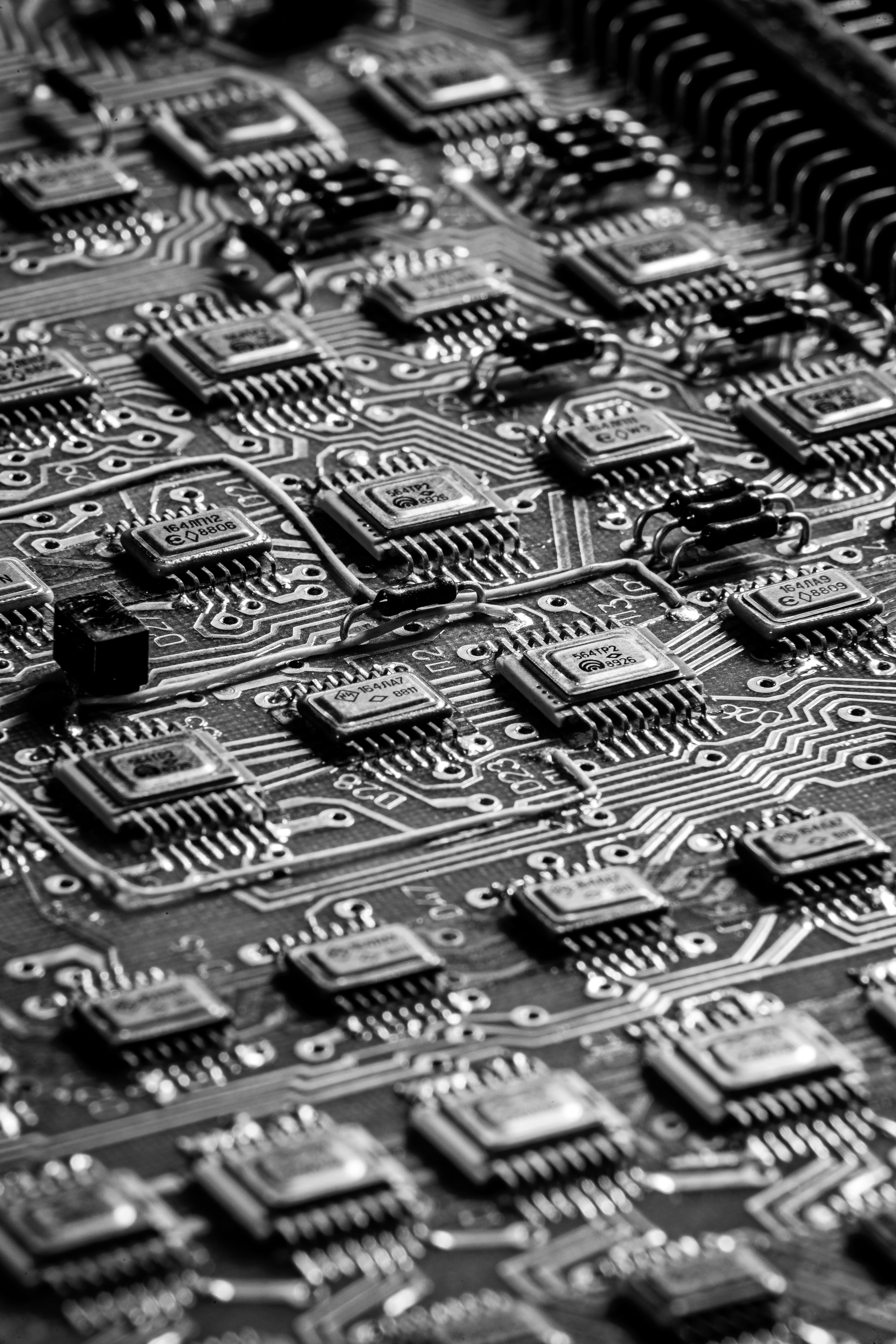
What is a semiconductor and why is it important?
Before diving into an investment strategy, it is necessary to understand the nature of a semi-manager. A semiconductor is a material (most commonly silicon) whose electrical conductivity lies between electrical conductors (such as copper) and insulators (such as glass). This property is revolutionary: the conductivity of semiconductor material can be precisely controlled (switched on and off), creating transistors - the electronic switch that is the basic building block of every modern computer. Millions of such switches can fit on a tiny chip, making it possible to process huge amounts of data.
The semi-conductor industry is important because chip production has reached Moore's Law in the timing after the physical limit. Producing smaller and more complex chips requires prohibitively expensive equipment and decades of knowledge. This has created prohibitively high barriers to entry for the industry, leaving market leaders firmly entrenched in their positions.
Why are semiconductors a hot topic? Drivers and structure
The growth in semiconductor stocks is no longer only related to consumer electronics (computers, telephones). It's about the megatrends that will shape our future.
A. Mega-trends for the future
The three main drivers of semiconductor demand are:
- Artificial Intelligence (AI): The training and operation of AI models (such as LLMs and image generators) requires massive parallel processing power, which only specialised graphics processing units (GPUs) can provide. This is the biggest and fastest growth engine in the industry.
- Cloud Services and Data Centres: As cloud computing expands, more and more data centres are being built around the world. Each server, each data warehouse needs thousands of fast chips, ensuring a constant and stable demand.
- Internet of Things (IoT) and Autonomous Vehicle Safety: Every appliance (from the fridge to the factory appliance) is getting smarter. Cars have become rolling supercomputers - each new model needs dozens of chips to control entertainment systems, safety features and, in the future, self-driving functions.
B. The complex value chain of chips
Semiconductor production is not a linear process, but a complex, multi-stage value chain, divided into four main segments. This separation offers excellent diversification opportunities for the investor.
- Chip designers (Fables): Companies that design chips but do not own factories (e.g. Nvidia, AMD). Their value lies in intellectual property.
- Manufacturers (Foundries): Companies that produce chips for designers (e.g. TSMC). They are at the heart of the industry.
- Equipment Manufacturers (Equipment): Companies that create machinery and equipment for manufacturers (e.g. ASML). This segment is often the narrowest and most technologically complex in the value chain.
- Integrated Device Manufacturers (IDM): Rare companies that do both design and manufacturing (e.g. Intel).

The investment landscape: global leaders and the geopolitical perspective
The leaders in the semiconductor market are geographically distributed, with each region playing a unique role in the value chain.
A. The power of US designers
US companies are at the forefront of intellectual property and design in the semiconductor world, dominating the chip design (fabless) and IDM (Integrated Device Manufacturers) segments.
- Nvidia: A leader in the world AI revolution. Their graphics processing units (GPUs) are essential for training any large language model (like ChatGPT). Their stock is often an industry sentiment indicator.
- AMD (Advanced Micro Devices): A strong competitor in both CPUs (central processing units) and GPUs, offering competition to Intel and Nvidia, especially in the server market.
- Intel: A historic leader who has been trying to regain his position as IDM. Intel is also investing heavily in building new factories in Europe (e.g. in Germany) in response to geopolitical tensions.
B. Europe's indispensable giant: ASML
Dutch company ASML (Advanced Semiconductor Materials Lithography) is the jewel in the crown of European semiconductors. This company holds de facto a monopoly on semiconductor manufacturing at its most innovative and critical stage - the production of lithography equipment (EUV or Extreme Ultraviolet Lithography).
Without ASML machines, the world's leading chipmakers (such as TSMC and Samsung) would not be able to produce the most advanced and fastest chips (e.g. 3 nm). ASML's position makes it a geopolitical tool and an incredibly protected asset class for investors. In addition, ASML's stock provides indirect exposure to all chipmakers.
C. Geographical risk and Asian dominance
However, the biggest risk comes from the concentration in Asia, especially Taiwan. Taiwan Semiconductor Manufacturing Co.TSMC) is the world's largest and most technologically advanced. foundry, which produces chips primarily for Apple, Nvidia and AMD.
- Geopolitical Tension: Tension between Taiwan and China puts at risk the production of nearly 90% of the most complex chips. Any conflict or trade bloc in the region would have a catastrophic impact on the global economy and cause semiconductor stocks to plummet.
- Reacting in Europe: In response to this risk, the European Union has launched a series of The EC law on chips (European Chips Act), which aims to invest billions of euros to increase chip production capacity on European soil. It will also create new investment opportunities for European technology companies (e.g. Infineon, STMicroelectronics) in the longer term.
Risks and caveats: cyclicality, costs and cut-throat competition
The semiconductor sector is not a calm and stable market, but a volatile and often unpredictable one. Investors need to be aware of three main risks.
A. Field cyclicality (semiconductor cycles)
Historically, the semiconductor industry has experienced dramatic "cycles". During boom times, there is rapid demand (the chip crisis) leading to large investments in new plants. Eventually, the market reaches oversupply, leading to a fall in prices, a sharp drop in producers' profitability and a collapse in share prices. The cycle then starts again. Investors need to be prepared to hold their positions through a long and painful downturn, making short-term speculation extremely risky.
B. Extreme capital intensity
Unlike a software business, where growth requires only programmers, chip production requires huge capital investments. It can cost between €20 billion and €30 billion to build and equip a modern chip fab. This means that even the most successful companies have to constantly take on large loans or issue new shares to stay competitive. This puts constant pressure on companies' balance sheets. Even a marginal technological failure or production problem has immediate consequences.
C. Geopolitical interdependence and regulations
Semi-officials have become a national security issue. Governments all over the world use export bans, subsidies and laws (such as the USA's CHIPS Act and EC Chips Act) to divert production away from risk areas. This means that policy decisions can change the market and profitability of firms overnight, regardless of their technological superiority. For example, US sanctions against the Chinese chip industry have created uncertainty at all links in the value chain. Investors need to be aware that politics plays as big a role as technological innovation in this sector.
How to invest in semiconductors?
As this is such a specific and risky, yet necessary sector, diversification is critical.
A. Use of ETFs (risk management platform)
For most investors, the best way to get into the chip sector is through a thematic or sectoral focus.ETF-via. This spreads the risk across tens or hundreds of companies in the value chain.
- Example: One of the most popular global funds is iShares PHLX Semiconductor ETF (SOXX), which brings together some of the world's biggest chipmakers and designers. It removes the need to choose whether to bet on the designer (Nvidia) or the device manufacturer (ASML) - you buy it all.
- Benefits: This strategy protects you from individual business mistakes or political setbacks, while delivering long-term growth potential.
B. Individual share strategy: selection and considerations
If you prefer a more active approach, it is important to choose the companies with the strongest market position.
- ASML: Consider taking a position in the ASML. Given their monopoly position and strategic importance to the industry as a whole, this offers a degree of security in the equity sector. It is a long-term core position.
- Nvidia: If you believe in the long-term and explosive growth of AI, Nvidia is a major beneficiary of this trend. However, their stock is often highly valued and volatility is extreme. Also, for example, in the last few months the share price has fluctuated dramatically.
- Infineon/STM: These European companies offer a net exposure to the growth of the European automotive industry and electric vehicles, which can be more disruptive than a pure focus on AI.
- TSMC: Even though they are a technology leader, you also have to accept a direct return on your investment when you buy their shares. geopolitical risk Taiwan and China due to tension.

Summary
Semiconductor shares represent the complexity and opportunities of modern investing at its best. It's a sector that is growing faster than the global economy, thanks to AI and computing.
But investing in semiconductors requires a clear strategy:
- Diversify through ETFs: Avoid the risk of picking individual stocks at the beginning.
- Take geopolitics into account: Understand the risks of manufacturing in Asia and Europe's aim to reduce its dependence.
- Be patient: Prepare for volatility and know that this is a cyclical business.
By adding semi-conductors to your portfolio (preferably via an ETF), you can expect your investments to be linked to the world's most important and dynamic economic trends. But be sure to also remember that the success of this sector is inextricably linked to high risks that a successful investor cannot simply ignore. So, if you are interested in stocks in this sector, be sure to find out more about the players.
 English (UK)
  Eesti
Eesti